

Table of contents
Get in touch
Expect response in 4 hours.
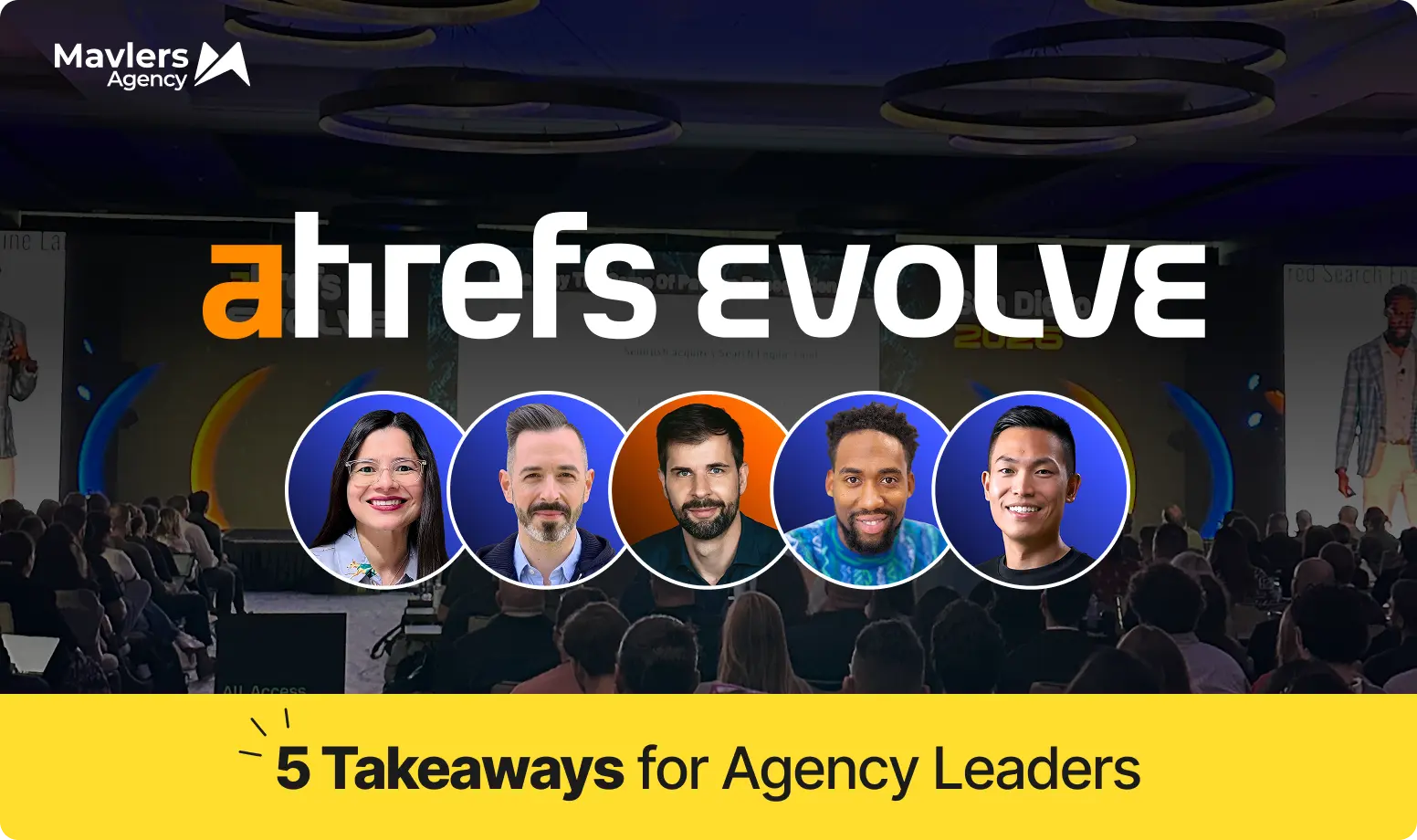
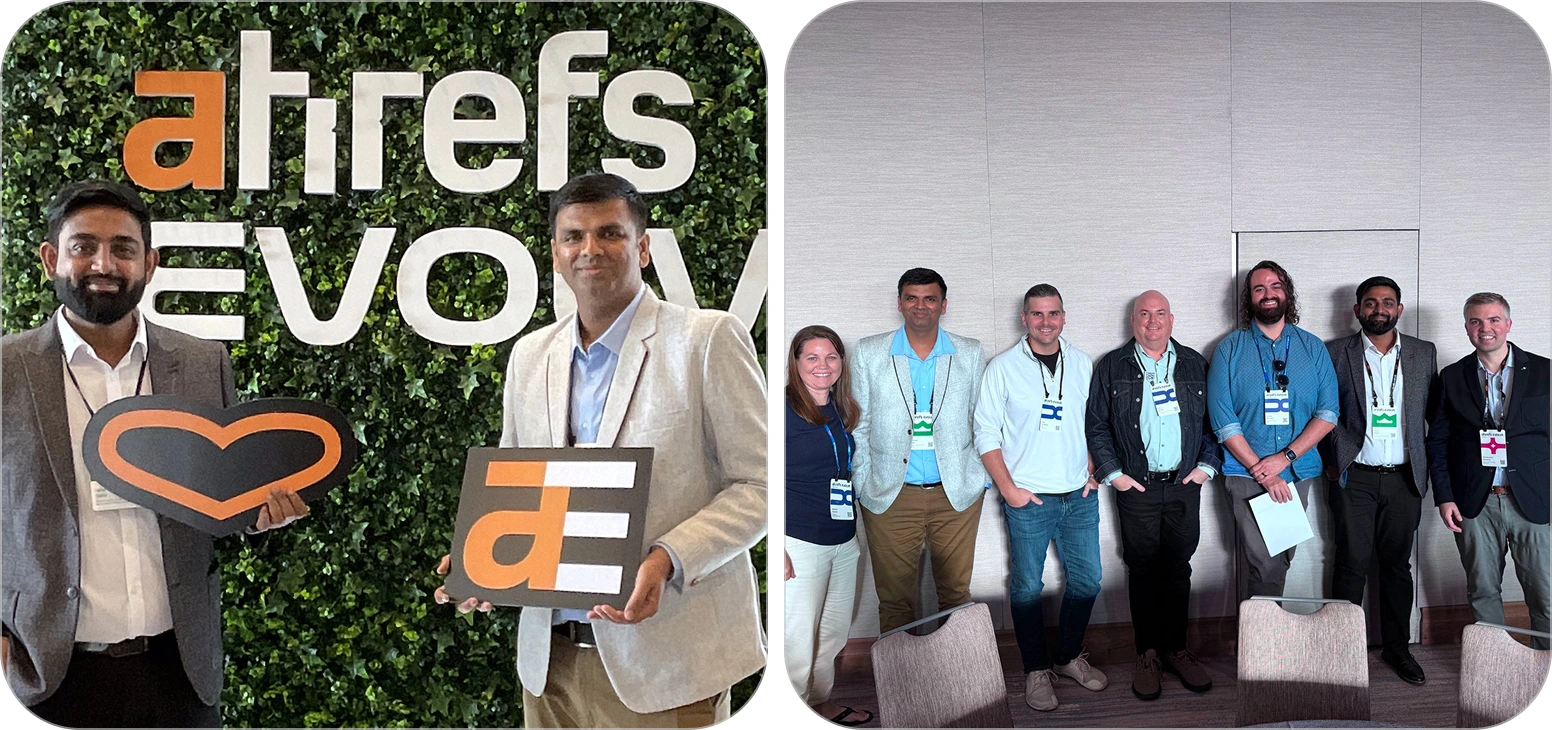
Ahrefs Evolve 2026 brought more than 600 search and marketing professionals to San Diego on October 12 and 13. Mavlers Agency sent members of its leadership team to test our working assumptions about AI search against what other practitioners are seeing in their own data.
Before the event, we committed to bringing the learnings back to our agency partners. This is that debrief. Five sessions shaped our thinking most: Aleyda Solis on ecommerce visibility, Rand Fishkin on measurement, Tim Soulo on brand discovery, Ross Simmonds on third-party presence, and Austin Lau on AI in delivery.
Together they point to one conclusion. Search now covers every place a customer discovers, evaluates and builds confidence in a brand, and a ranking is only one of those places. Below is each session, followed by what it changes in our delivery.
1. Rankings alone no longer explain ecommerce search performance
Aleyda Solis, International SEO Consultant and Founder of Orainti, spoke on day two with "Ecommerce in the Age of AI Search: Shifts, Risks, and Strategic Moves." Her central point was that AI Overviews, product features and ads are reducing traditional organic visibility. A product or category page can hold its position in a rank tracker and still lose real estate on the results page.
She also separated AI shopping discovery from traditional search. Buyers who research and compare products inside AI tools follow a different path from buyers who browse a results page, so the two channels need to be read on their own terms.
For our SEO and AI Search teams, this changes the starting point of an ecommerce audit. We now check what a client's audience actually sees on the SERP, strengthen product information on the pages that carry commercial intent, and report organic and AI search performance side by side.
2. Traffic and last-click attribution miss how brands influence buyers
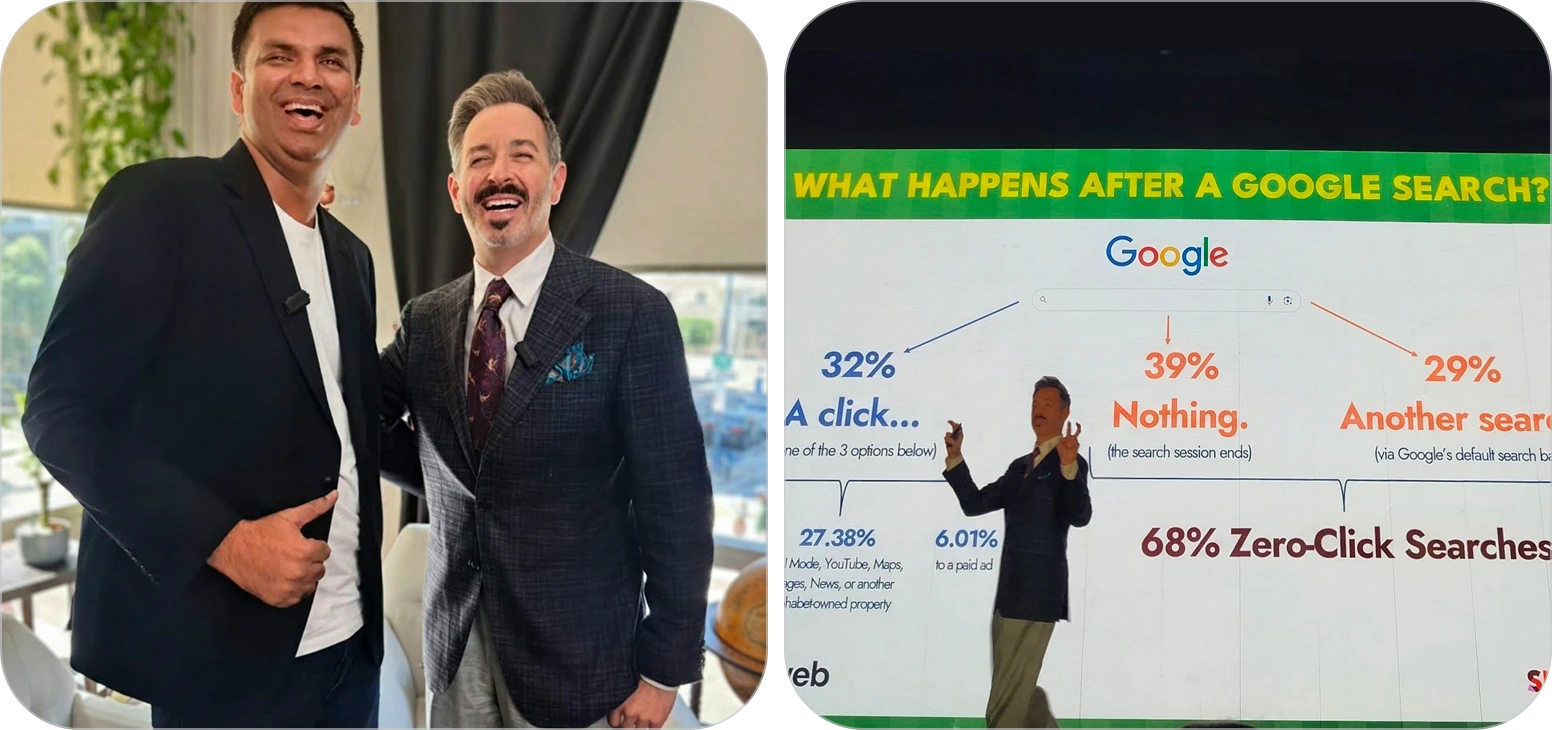
Rand Fishkin, CEO and Co-Founder of SparkToro, presented "The New Way the Web Works: Zero Clicks, Declining Traffic, No Attribution, Yet More Influence than Ever." His argument is that zero-click discovery is changing customer journeys, and that traffic and last-click attribution increasingly fail to show how a brand shapes a buying decision.
The session was pitched at people who need to win the argument internally, and that is familiar agency territory. A client who sees flat sessions may conclude that the work has stalled, even when more buyers know the brand and search for it by name.
For our reporting, this means looking beyond sessions and clicks. We are adding branded search demand, reach, engagement and business outcomes where they can be measured, so that a client's results never rest on traffic alone.
3. Customers discover brands through search, notice and talk
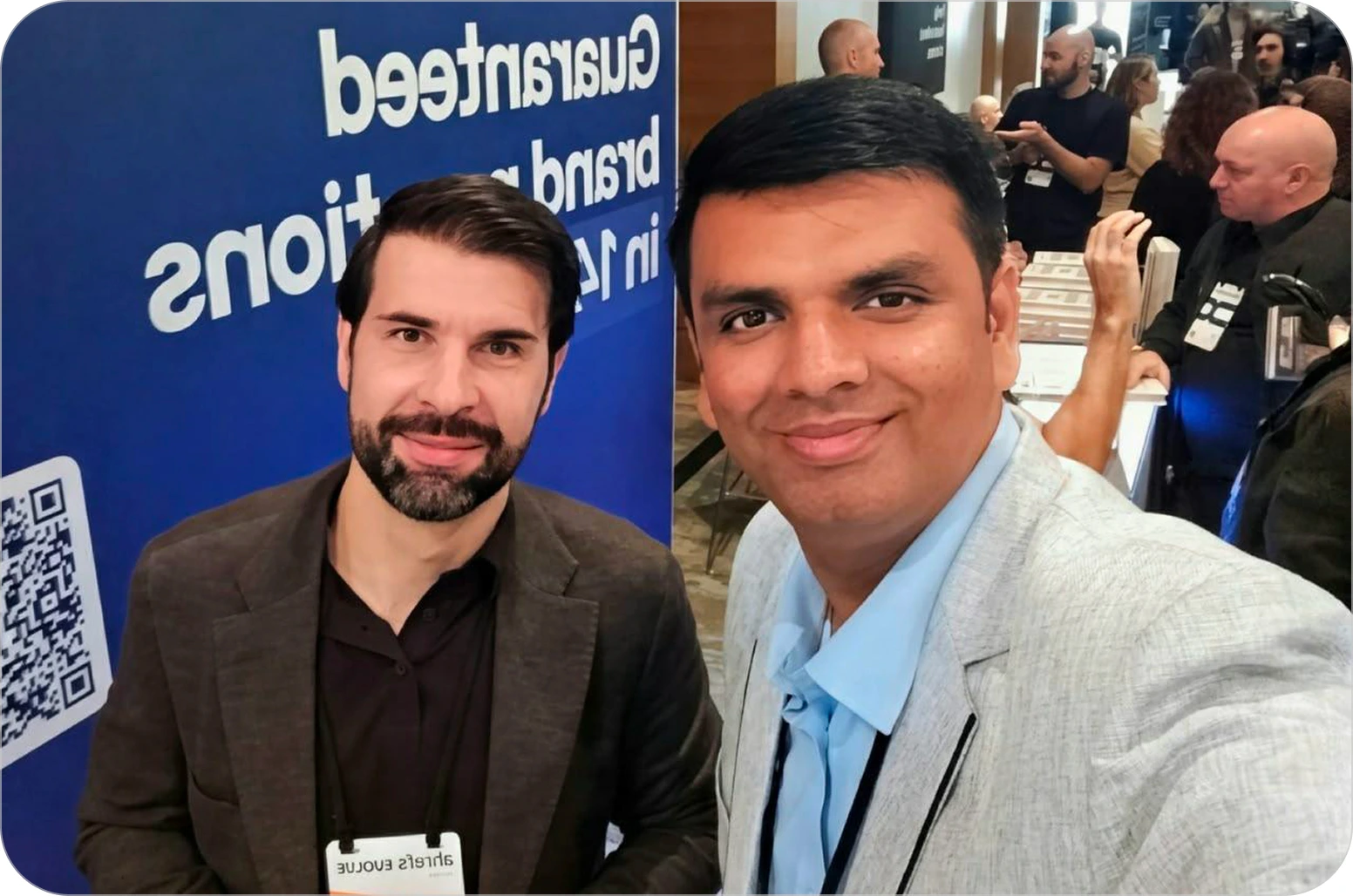
Tim Soulo, Chief Marketing Officer at Ahrefs, gave "How to Make Your Business Discoverable in the Age of AI." He started from a question that has not changed in a decade: how will people find out you exist? What AI changes is how that question gets answered.
His framework describes three connected behaviours: search, notice and talk. They play out across search engines, AI tools, content, communities and word of mouth, and a website ranking covers only part of that picture.
For our SEO teams, this widens the brief from rankings to brand discoverability. We are evaluating where a client's audience searches, where it encounters the brand and where it discusses it, and planning around all three.
4. AI visibility extends beyond your own website
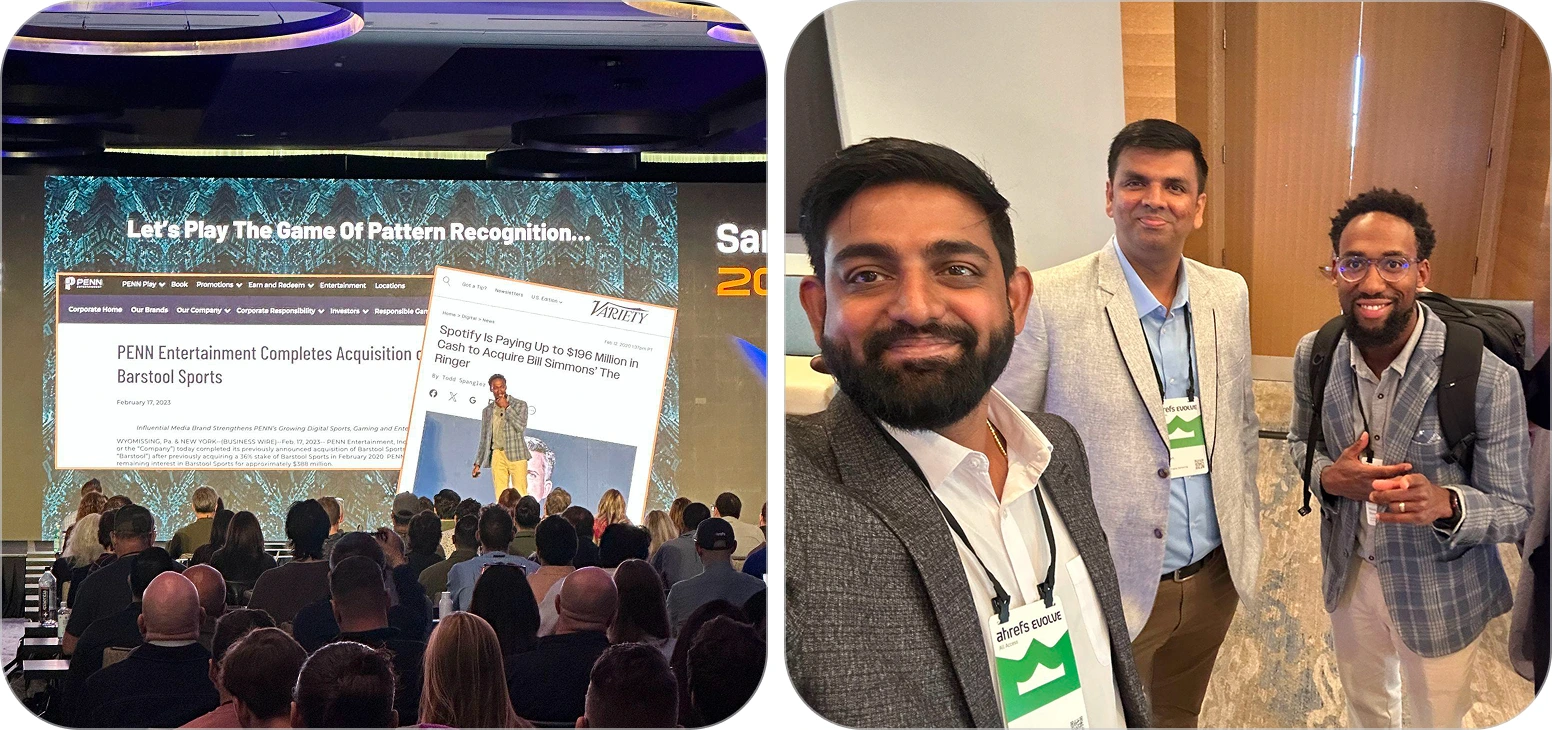
Ross Simmonds, Founder and CEO of Foundation Marketing and Distribution.ai, spoke first on day one, after Tim Soulo's welcome, with "How To Win In The New Search Era: Reddit, YouTube & Backlinks." His session showed that AI visibility reaches well beyond owned sites. Reddit discussions, YouTube content, credible references, distribution, and backlinks all shape whether a brand gets discovered, so distribution is part of the search brief.
For our content and SEO teams, this means evaluating each client's third-party visibility and the distribution opportunities around every major piece of content. We are looking at where the audience already spends time and which sources already carry credibility with it.
Participation has to be genuine: useful contributions in communities, content worth referencing, and credibility earned over time. We will not build a client strategy around artificial citations or shortcuts.
5. AI earns a place in delivery when workflows are tested, reviewed and owned
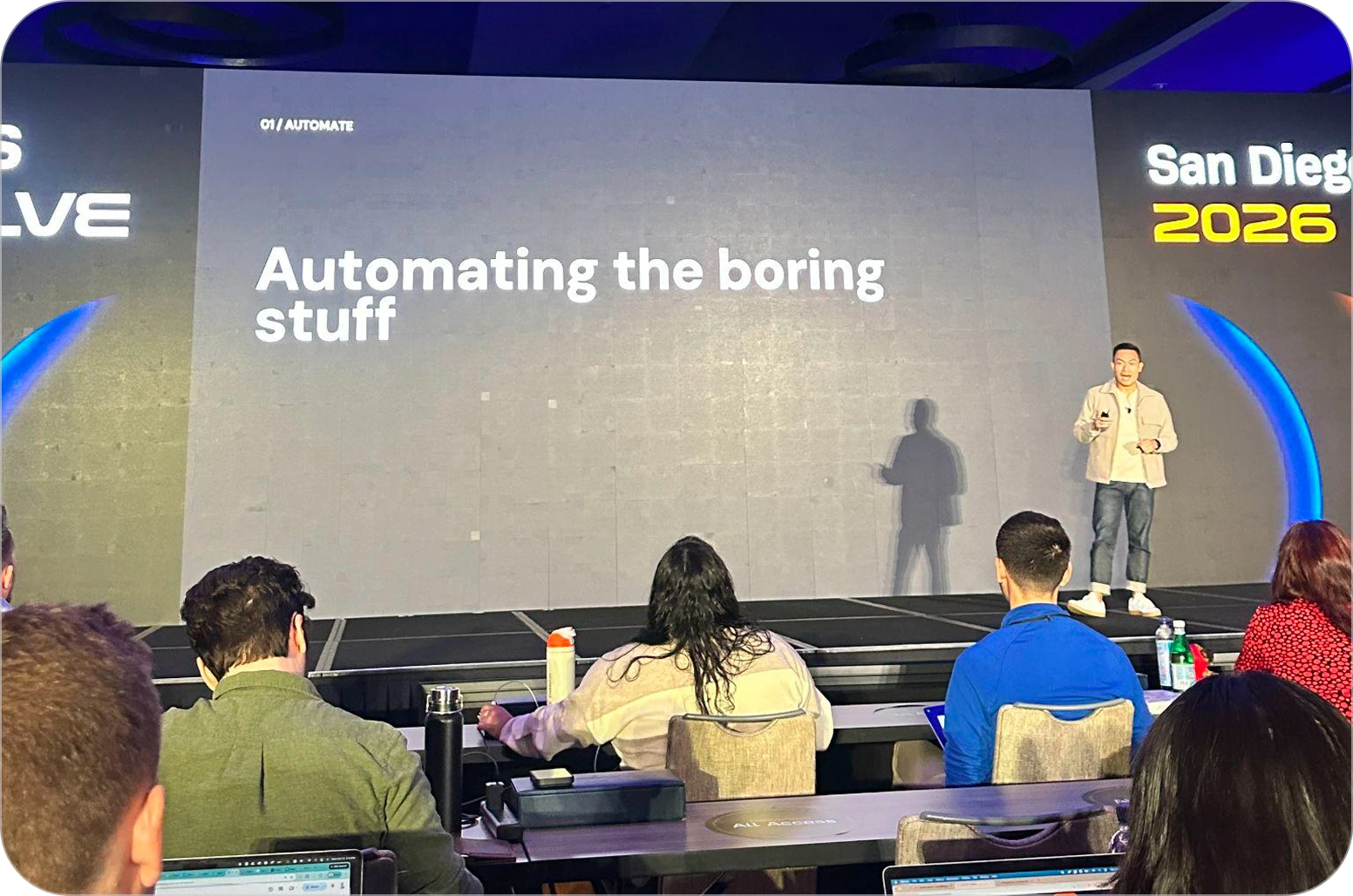
Austin Lau, who works in Growth Marketing at Anthropic, presented "AI as a Force Multiplier for Your Marketing Team." He drew on the framework he used while building a growth marketing function: automate repetitive work, partner with AI where it covers more ground than one person can, take on work that never cleared the ROI bar before, and build tools nobody else will build for you.
Two ideas matter most for an agency. AI can complement specialist capabilities, and it can make previously uneconomical tasks feasible. A site-wide content review that no client budget could cover by hand is one example. His advice on adoption was to start small, validate quality and manage the risk.
For our SEO, Paid Media, Content and Reporting teams, the next step is to identify repeatable workflows and test AI-supported automation on them. Each test needs human QA, a measurable time saving and a named owner.
Differentiating AEO services starts with how you frame the client's problem
Our team also joined the roundtable "Selling AEO When Every Agency Says the Same Thing," moderated by Chris Porteous, CEO of SearchEye. It was one of the small-group sessions Ahrefs ran alongside the main stage, and it tackled a problem every agency selling AEO will recognize: when most proposals make similar promises about AI visibility, buyers have little to tell them apart.
Three points from the discussion stayed with us:
- Move beyond generic AI visibility claims and communicate a clear value proposition.
- Connect AEO strategy to business goals, client outcomes and measurable results.
- Make proposals specific about the approach, the value and how success will be evaluated.
The point that stood out most is that differentiation starts with how an agency thinks about the client's problem. The list of services comes after that.
For agencies writing AEO proposals, this means each one should state the approach, the value it is meant to create and the way success will be judged, in terms the client's own business goals recognize.
What changes in our delivery
Four areas of delivery change first as a result of these sessions.
Our biggest takeaway
Search is no longer just about ranking pages. Our job is to understand where customers discover a brand, where they evaluate it and where they develop confidence in it, then audit, report and deliver against all three.
Agency partners who want to see where a client stands today can start with our AEO/GEO audit, which shows where AI answers leave a brand out. We also deliver white label AEO and GEO services under our partners' own brands.
Ready to measure visibility beyond rankings? Talk to an expert.