





Table of contents
Get in touch
Expect response in 4 hours.
.webp)
Braze Forge 2026 brought more than 1,000 marketers to Las Vegas to discuss what comes next for customer engagement.
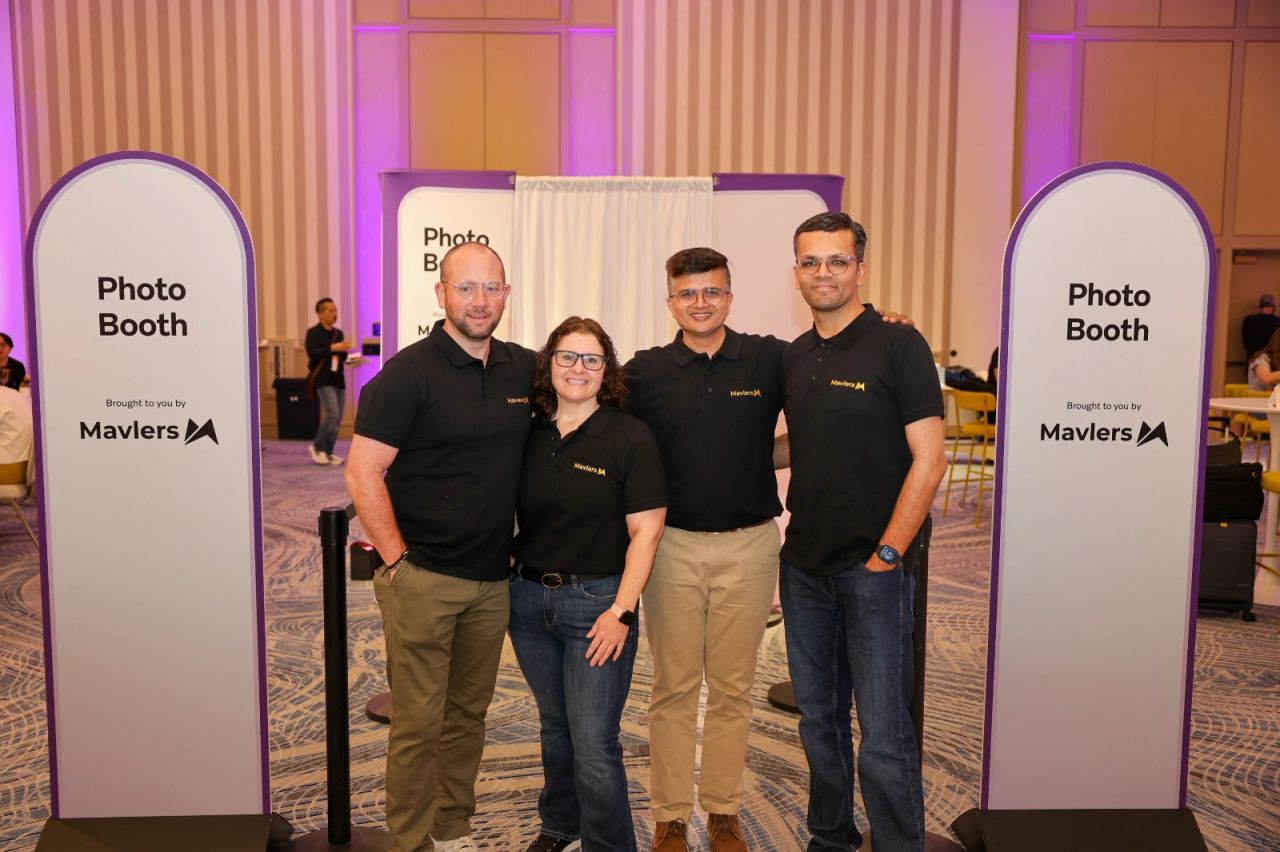
Mavlers Agency, certified Braze agency, attended Forge as a Silver Sponsor. We joined conversations with marketers, platform partners, and brands while hosting a photo booth on the expo floor.
Now that our team is back, one message stands above the product announcements: AI may accelerate customer engagement, but marketers must decide where that speed takes the business.
Here are the most important lessons for agency owners and marketing leaders.
1. AI is taking execution off marketers' desks. Agency value has to move up
Forge announcements such as Decisioning Studio Go and Operator Connect point toward a future in which marketers can perform tasks that previously required support from data scientists, engineers, or platform specialists.
For agencies, that may initially sound threatening. In practice, it moves an agency's value further upstream.
Clients may need less help clicking through platform interfaces, but they will need more help deciding which journeys deserve AI decisioning, how success should be measured, and where human approval remains essential. They will also need someone to translate business objectives into reusable operating rules.
The agency opportunity is therefore shifting from task execution to system design: architecting data, workflows, experimentation frameworks, permissions, and governance that allow clients to use self-service tools safely.
2. AI’s real value is closing the distance between ideas and outcomes
Braze Co-founder and CEO Bill Magnuson opened Forge by discussing how AI can help close the gap between a strong marketing idea and its execution.
Most agencies know this gap well. A timely opportunity appears, but creating assets, building audiences, configuring journeys, obtaining approvals, and completing QA take too long. By the time everything is ready, the moment may have passed.
AI can remove much of this operational and “keyboard-level” work. But the goal should not be to flood customers with more campaigns. Agencies should use the time recovered to improve strategy, creative thinking, experimentation, and measurement.
3. Greater autonomy creates a governance responsibility
Operator Connect, Decisioning Studio, and Agentic Standards were among the announcements that stood out to our team. Collectively, they reinforced a simple equation: more autonomy requires stronger control underneath it.
When AI can build campaigns, optimize individual experiences, and review work at speed, questions of ownership become more important. Who defines contact-frequency limits? Who controls platform permissions? Who keeps compliance and brand rules current? Who can approve a launch?
Automated QA is only as dependable as the standards it has been given. If an outdated disclosure or contact rule is encoded into the system, automation may apply that mistake consistently and at scale.
Agency owners should help clients treat governance as an ongoing service - not a one-time setup - including documented rules, named owners, scheduled reviews, access audits, and human approval points.
.jpg)
4. AI readiness is an operating-model question
Individualized decisioning sounds powerful, but no AI tool can compensate for fragmented data, stale segments, inconsistent brand information, or journey logic understood by only one employee.
Before recommending another tool, agencies should examine the foundations:
Can the client trust its customer data?
Is content modular and reusable?
Are campaign rules documented?
Can another team member understand and manage the journey?
Are holdout groups and meaningful business outcomes defined?
If production takes minutes but approvals, data access, or compliance reviews still take days, AI has not removed the bottleneck, it has transferred it elsewhere.
For agency owners, readiness audits, workflow redesign, documentation, and team enablement could become as valuable as implementation itself.
5. Human judgment becomes more - not less - important
Braze’s “Made for This” theme emphasized that marketers already possess much of the experience and adaptability needed to navigate this change. The event’s learning tracks also extended beyond AI to leadership, creativity, storytelling, execution, and measurement.
As advanced platform capabilities become accessible to more companies, owning the technology will offer less differentiation. The advantage will come from the choices surrounding it: what to automate, what to personalize, when not to send, and how to protect customer trust.
Our conversations at Forge reinforced this healthy tension between AI and human intelligence. AI can give marketers more reach across creative, analytics, and operations, but people remain responsible for context, judgment, and accountability.
Our biggest takeaway
For agencies, the opportunity is clear: help clients build the data foundations, operating models, governance, and strategic clarity required to make AI useful. The tools will keep getting smarter. The judgment - and the responsibility - still belongs to us.



.webp)